

The Secret Life of Plants in Winter: The Biology of Dormancy
|
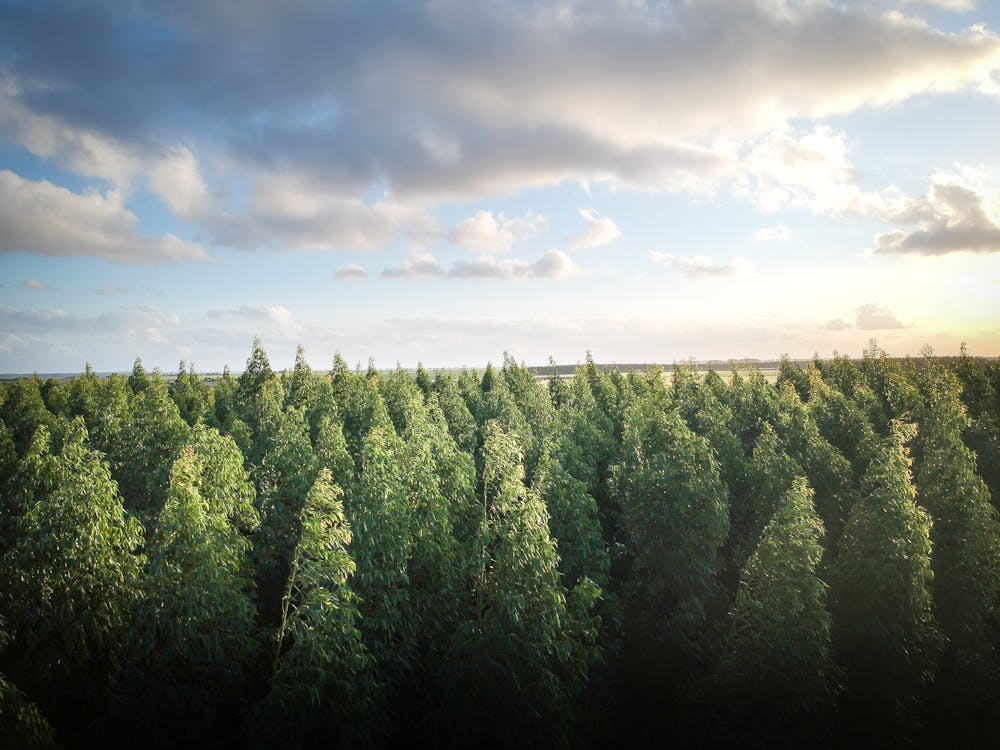
| Mastering the cold: How plants survive winter dormancy. |
Sensing the Chill and the Dark
- Photoperiodism (Light Sensing) 📌 Special light-sensitive proteins detect the ratio of red light to far-red light. When the days shorten, the production of growth-promoting hormones slows down, and the plant begins to prepare for rest.
- Thermal Reception 📌 Plants perceive temperature changes through their cell membranes. A drop in temperature alters the fluidity of the membrane, sending a chemical signal to the nucleus of the cell to switch on "winter genes."
- Slowing Metabolism 📌 Once the signal is confirmed, the plant reduces its metabolic rate. It stops expending energy on new leaves or flowers and focuses entirely on conservation and storage.
- Resource Relocation 📌 Essential nutrients like nitrogen and carbon are pulled back from the leaves and stored in the roots or trunk. This is why leaves change color before falling; the green chlorophyll is broken down and recycled.
- Formation of Resting Buds 📌 The plant creates tight, scale-covered buds. These scales are modified leaves that provide a waterproof, insulated jacket for the delicate embryonic leaves inside.
- Genetic Activation 📌 Cold temperatures trigger the expression of Cold-Regulated (COR) genes. These genes instruct the plant to produce protective proteins that stabilize cell structures against freezing.
The Hormonal Stop Signal
- The Production of Abscisic Acid (ABA) 📌 When the days shorten, the plant ramps up the production of ABA. This hormone acts as a powerful growth inhibitor. It tells the active growing tips of the plant to stop dividing.
- Closing the Stomata 📌 ABA signals the stomata (tiny pores on leaves) to close. This prevents water loss through transpiration, which is vital because frozen soil makes water uptake difficult or impossible.
- Inducing Leaf Fall 📌 In deciduous trees, hormonal shifts involve a balance between auxin and ethylene. As auxin levels drop, ethylene rises, causing the cells at the base of the leaf stem to weaken and eventually detach.
- Preventing Premature Waking 📌 High levels of ABA remain in the buds throughout winter. This chemical lock ensures that a random warm day in January doesn't trick the plant into blooming too early, which would be fatal.
- Hardening of Tissues 📌 The presence of specific hormones triggers the lignification of stems, making them woody and tough. This provides physical protection against wind, snow loads, and ice accumulation.
- Root Growth Regulation 📌 While top growth stops, hormones often allow roots to continue growing slowly if the ground isn't frozen, establishing a better foundation for spring.
- Communication Between Cells 📌 Hormones act as long-distance messengers, traveling from the leaves to the roots and buds to ensure the entire organism acts in unison.
- The Wake-Up Call 📌 Eventually, cold exposure breaks down ABA. When ABA levels drop low enough and temperatures rise, another hormone called Gibberellin takes over to restart growth.
Cellular Antifreeze Mechanisms
- Accumulation of Sugars Plants convert starches into soluble sugars like sucrose and raffinose. These sugars act as a natural antifreeze by lowering the freezing point of the water inside the cells, much like putting salt on an icy road.
- Production of Antifreeze Proteins Specific proteins bind to small ice crystals as they begin to form. This binding inhibits the crystals from growing larger and damaging the cellular machinery.
- Dehydration of Cells Plants actively move water out of their cells into the spaces between cells (intercellular spaces). If ice forms there, it is far less damaging than if it forms inside the living cell.
- Membrane Reinforcement The cell membrane undergoes a structural change, increasing the ratio of unsaturated fatty acids. This keeps the membrane flexible and fluid even in freezing temperatures.
- Supercooling Ability Through chemical purity and lack of nucleation points, some plant cells can keep water in a liquid state even when the temperature drops well below the standard freezing point (0°C).
- Glass Formation (Vitrification) In extreme cold, the cell contents may turn into a solid, glass-like state rather than a crystalline ice structure. This "glass" suspends all molecular motion without damaging the cell structure.
- Antioxidant Defense Cold stress produces harmful free radicals. Plants ramp up the production of antioxidants to scavenge these molecules and protect DNA from oxidative damage.
Deciduous vs. Evergreen Strategies
The decision to drop leaves or keep them is an evolutionary calculation of cost versus benefit. Here is how they compare:
| Feature | Deciduous Plants | Evergreen Plants |
|---|---|---|
| Leaf Retention | Drops all leaves in autumn. | Retains leaves/needles year-round. |
| Water Loss Strategy | Eliminates surface area completely to stop transpiration. | Uses thick waxy cuticles and small surface area (needles) to minimize loss. |
| Energy Cost | High cost to regrow a full canopy every spring. | Low cost in spring, as foliage is already present. |
| Photosynthesis | Stops completely in winter. | Can continue slowly on warm winter days. |
| Snow Load | Bare branches hold less snow, reducing breakage. | Flexible branches allow snow to slide off, preventing damage. |
The Requirement of Chill (Vernalization)
It may seem contradictory, but many plants actually need the cold to thrive. This biological requirement is called vernalization. Without a specific duration of cold temperatures, many plants will fail to flower or produce fruit in the following season. This is a safety mechanism that ensures delicate reproduction does not occur until winter is truly over.
- Counting the Cold Hours👈 Fruit trees like apples and cherries have a "chill hour" requirement. They track the number of hours between 32°F and 45°F (0°C - 7°C). If they do not get enough cold, the buds will not open evenly in spring.
- Flowering Bulbs👈 Tulips, daffodils, and hyacinths require a long period of cold dormancy underground. This cold stress triggers the biochemical pathways necessary for the flower stalk to elongate.
- Prevents False Starts👈 This requirement prevents plants from blooming during a "false spring"—a brief warm spell in mid-winter. The plant "knows" it hasn't been cold long enough to be safe yet.
- Biennial Plants👈 Vegetables like carrots and onions are biennials. They grow leaves in year one, survive the winter, and the cold triggers them to produce seeds in year two.
- Implications for Agriculture👈 Farmers must choose crop varieties that match their local climate's chill hours. Planting a high-chill apple tree in a warm climate results in zero fruit.
- Genetic Memory👈 This memory of winter is stored at a cellular level, often involving epigenetic changes that alter how DNA is wrapped and accessed.
Underground Survival: Roots and Bulbs
- Energy Storage During late summer and autumn, plants transport carbohydrates (sugars) down into the root system. This is why root vegetables become sweeter after a frost; they are packed with concentrated energy.
- Insulation Soil is an excellent insulator. Even when the air temperature drops to -20°C, the soil a few feet down may remain just above freezing. This protects the vital root tissues from the lethal freeze-thaw cycles.
- Water Uptake Although slow, roots continue to absorb moisture during winter if the soil water isn't frozen. This hydration is critical to replace water lost to drying winter winds.
- Symbiotic Relationships Fungal networks (mycorrhizae) attached to roots remain active. They help protect the roots and maintain the soil structure even during the dormant season.
- Rhizomes Some plants, like grasses and irises, spread horizontally underground via rhizomes. These fleshy stems wait for spring to send up new shoots in new locations.
- Bulb Anatomy A bulb is essentially a complete plant in a tiny package. Inside an onion or tulip bulb, there are already immature leaves and a flower bud, surrounded by fleshy scales full of food, waiting for the signal to emerge.
- Root Hardiness While the top of a plant might die back (herbaceous perennials), the crown and roots remain alive. They contain dormant buds known as "eyes" that will sprout when the soil warms.
- Protection from Predation Being underground protects the plant's energy reserves from many herbivores, although some burrowing animals still pose a threat.
The Great Awakening
The end of dormancy is just as complex as its beginning. It is not triggered by a single warm day, but by a combination of factors that signal safety. The degradation of Abscisic Acid (the inhibitor) and the production of Gibberellins (the promoters) tip the scale.
This phase requires a tremendous amount of energy. The starches stored in the roots are rapidly converted back into sugars and pumped upwards. This rising sap—famous in maple trees—inflates the buds and powers the rapid expansion of new leaves. Understanding this cycle helps us appreciate the precise timing of nature. If a plant wakes too early, frost kills it. If it wakes too late, it misses the best sunlight. It is a high-stakes gamble played out every year.
Patience and Resilience in Nature
- Rest is vital for future growth.
- Preparation prevents poor performance.
- Adaptability ensures survival.
- Timing is everything.
- Resources must be conserved.
- Resilience requires inner strength.
- Life persists even in stillness.
By understanding these processes—from the role of Abscisic Acid to the creation of antifreeze proteins—we gain insight into the incredible adaptability of life on Earth. Whether you are a gardener, a student of biology, or simply a nature lover, recognizing the secret life of plants in winter transforms a bleak landscape into a scene of biological wonder.


0 Comments